
Parking lot sealcoating in Victoria BC
A lot is a large area of asphalt that nobody looks at until it starts falling apart. Crack fill and sealer on a sensible cycle push the resurfacing bill out by years, and the lines go back down over a clean surface as part of the same closure.
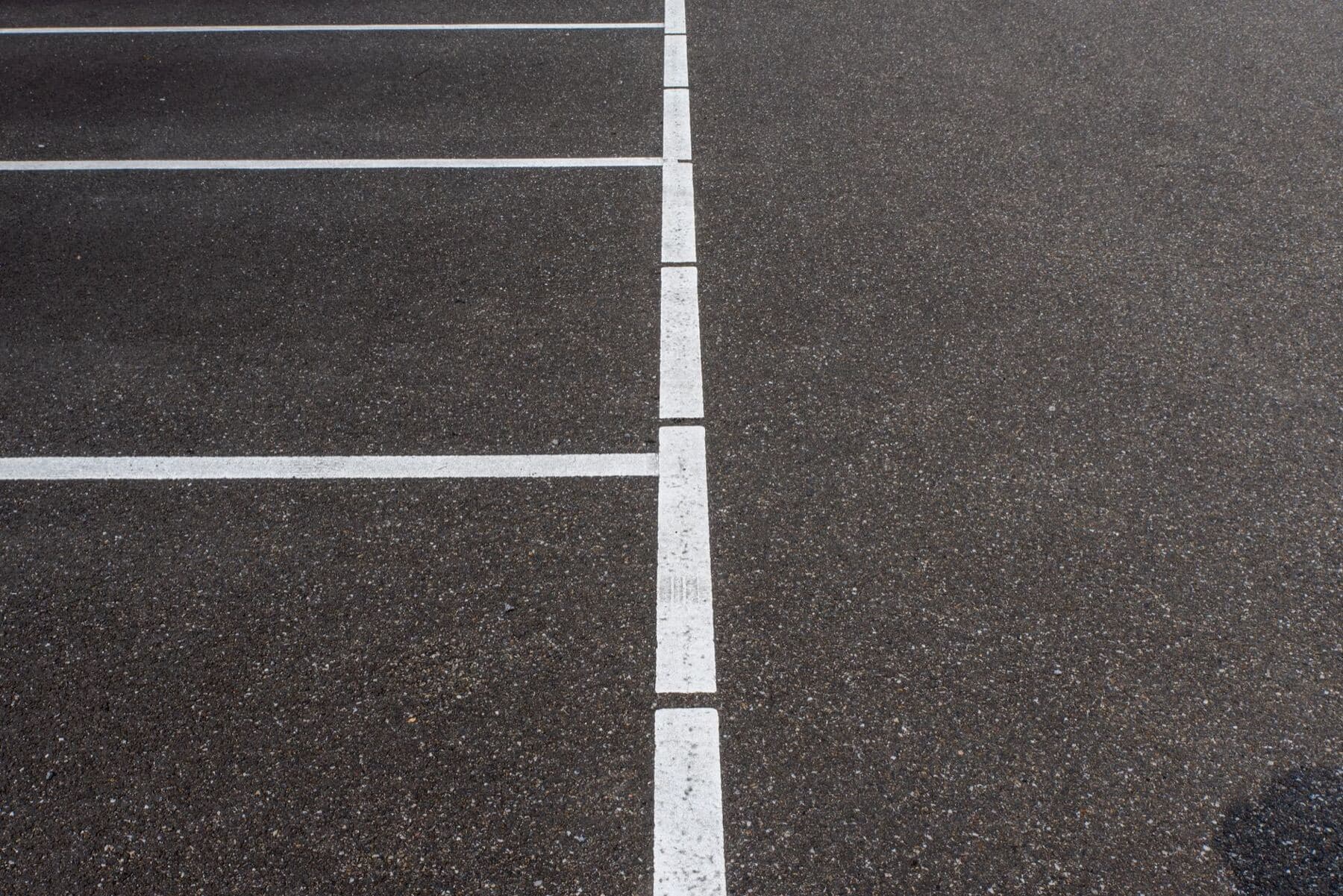
Why a lot fails from the top down
Commercial asphalt on the South Island rarely fails from frost. It fails from water and ultraviolet light. The bitumen holding the aggregate together oxidises, rain carries the degraded layer away, and the surface goes from black to grey to loose stone. Once water can get between the stones it reaches the base, and a base problem is a rebuild, not a repair.
Lots accelerate this in ways driveways do not. Vehicles turn in stalls, which shears the surface rather than just rolling over it. Delivery traffic concentrates load in the same lanes. Oil and fuel drips soften the binder in exactly the spots where cars sit longest. And a lot is big enough that nobody notices the deterioration until a large area needs attention at once.
Sealing does not fix any of that retroactively, but applied on a two to four year cycle it keeps water out of the mat and materially delays the day someone has to quote you a resurface.
Crack fill comes before sealer, always
A sealcoat is a thin film. It does not bridge a crack, and sealing over an open crack just means the water still gets in, under a lot that now looks maintained. On a commercial lot, cracks are also where the base gets wet, and a wet base is what turns a surface problem into a structural one.
So the sequence is fixed: cracks routed and filled, potholes and failed sections cut out and patched, then sealer across the whole area.
- Sweep and blow the lot, clear organic growth and standing debris
- Prime oil-saturated spots so sealer will bond over them
- Route and hot or cold fill cracks wide enough to take material
- Cut out and patch potholes and failed sections
- Apply sealer, cut in by hand at edges, curbs and islands
- Protect the cure window, then relay the layout
If we walk your lot and think the surface is too far gone for sealer to be worth it, we will tell you that and recommend planning a resurface instead. Sealing a lot that is already ravelling is money spent on appearance.
Sealing and re-striping in one closure
Fresh sealer buries existing lines, so a lot painted last month and sealed this month has to be painted again. Sealed first, cured, then striped means the layout goes onto a clean, uniform surface where it stands out and lasts.
Running them together also halves the disruption. One set of notices to residents or tenants, one staged closure plan, one mobilisation. We section the lot so a portion is out of service at a time, typically overnight or across a weekend, and sequence it so visitor, loading and accessible stalls come back first.
The line painting page covers the layout side in detail, including where our scope stops on accessible stall markings.
Planning it as a maintenance cycle
Lines fade on a one to three year cycle. Sealer runs two to four. Line those up and most lots settle into a rhythm where a full seal-and-stripe happens on the longer interval and a stripe-only refresh happens in between.
For a property manager with several buildings that means the lots can be sequenced across seasons rather than all landing in the same month. Either way we would rather schedule your next cycle at the end of this one than wait for the lot to look bad enough that someone calls it in.
Timing on the coast is the one constraint we cannot move: sealer needs a dry surface and a dry window on either side, so this is realistically late spring through early autumn work. We book against the forecast and will move a date rather than lay sealer into a wet week.
Questions about this work
Book a lot walk-through
Estimates vary with the condition of the surface, so we look at it, measure it and put the number in writing. No fixed price list.