
Coating and surface guides
What we would tell you standing in your garage: how these surfaces fail on a wet coast, and what stops them.
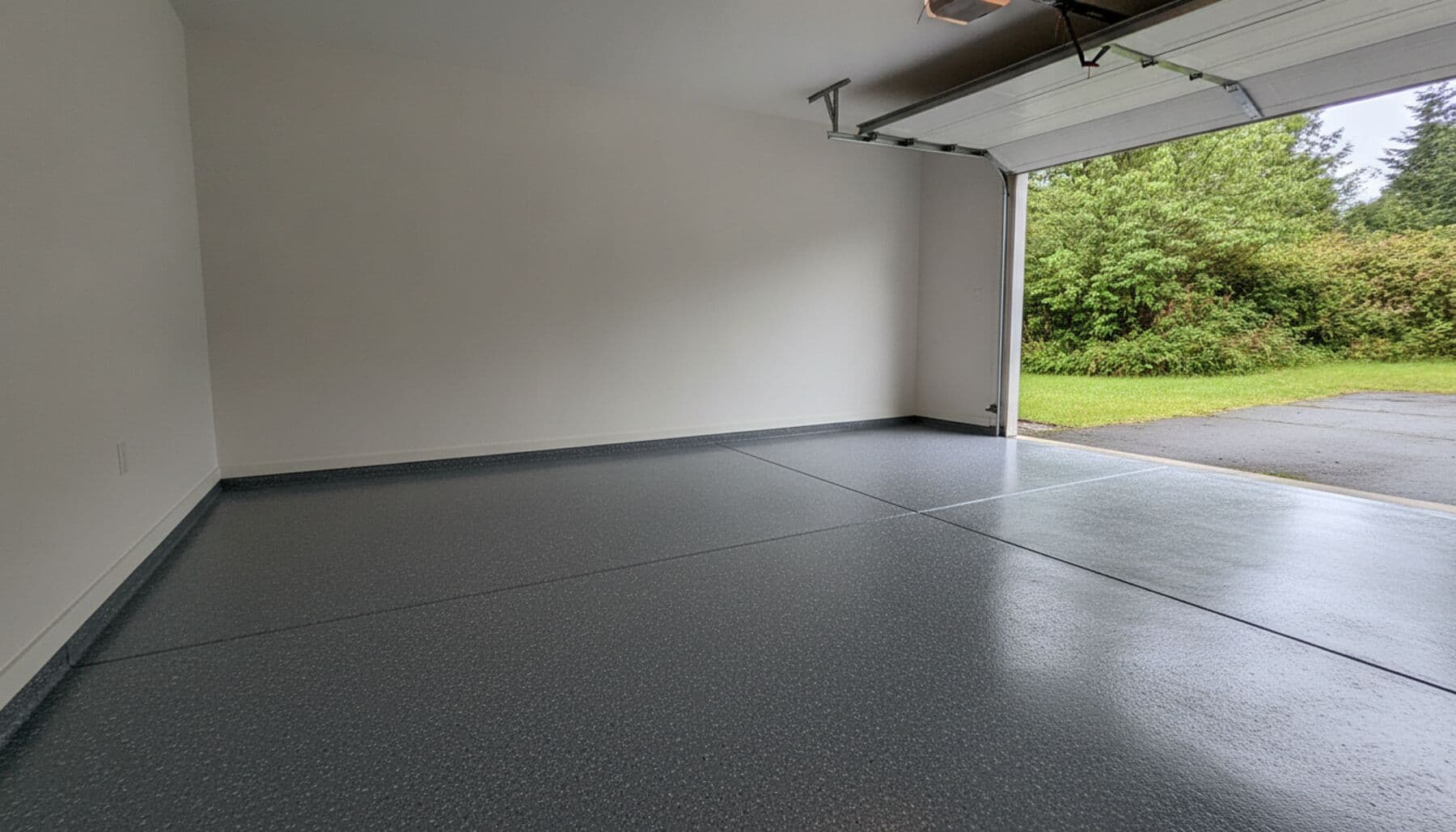
Polyaspartic Garage Floor Coating: What the Data Sheets Actually Say
Polyaspartic is an aliphatic polyurea. Here is what manufacturer data sheets publish for cure time, pot life, cold-weather limits and abrasion, compared side by side with epoxy.
6 minute read
What a garage floor moisture test actually measures
Why the reading comes before the quote, what the numbers mean, and why older Victoria garages fail it so often.
5 minute read
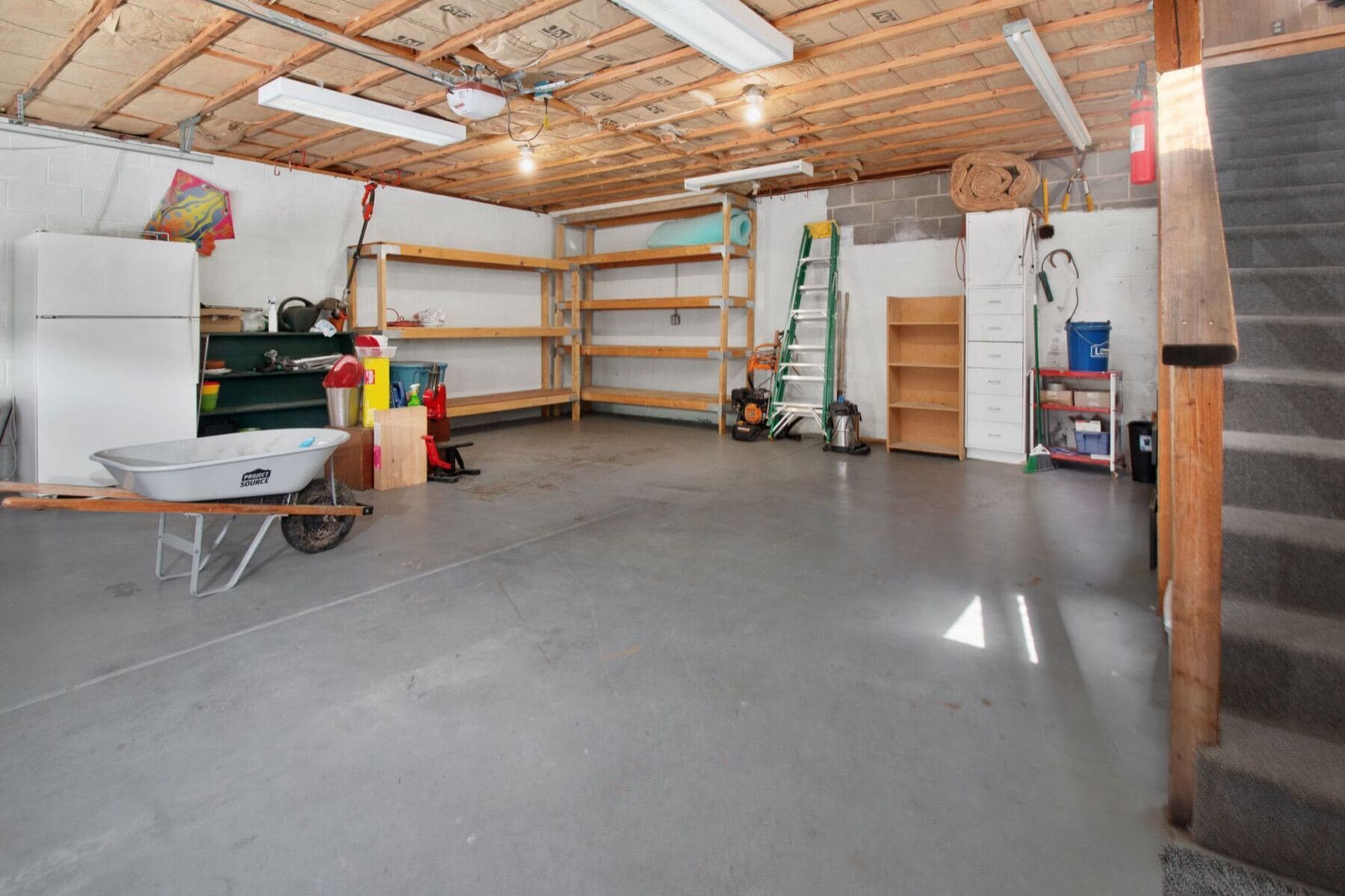
Why garage floor coatings peel
Four failure modes, all of them decided before the first pail was opened. How to spot which one you are looking at.
5 minute read
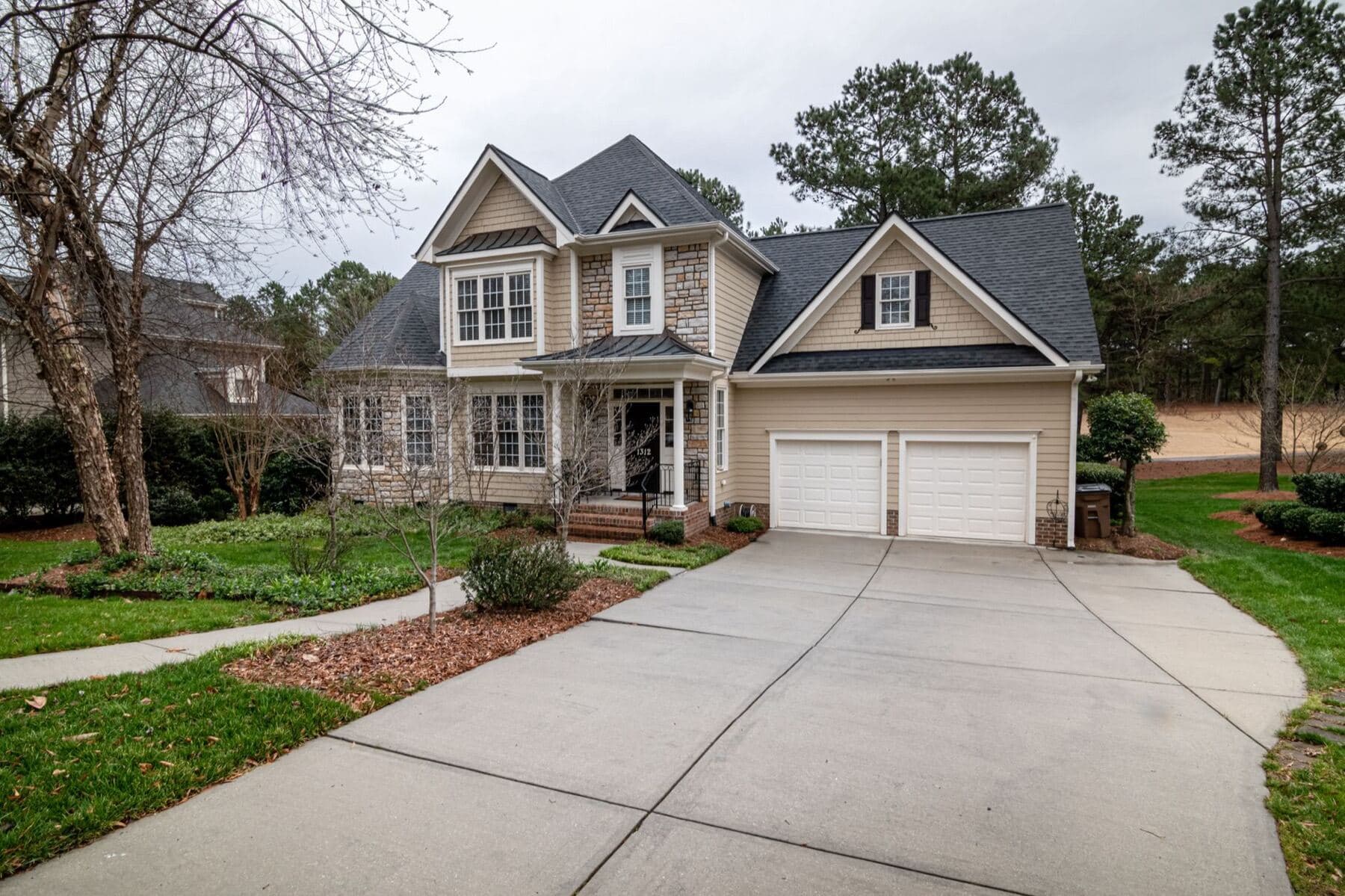
Driveway resurfacing or replacement: which one your slab can take
Driveway resurfacing bonds 1.6 mm to 13 mm of new cement over the slab you own, at a fraction of replacement cost. Sourced cost ranges, the data-sheet limits, and how to read your own concrete before anyone quotes either one.
8 minute read
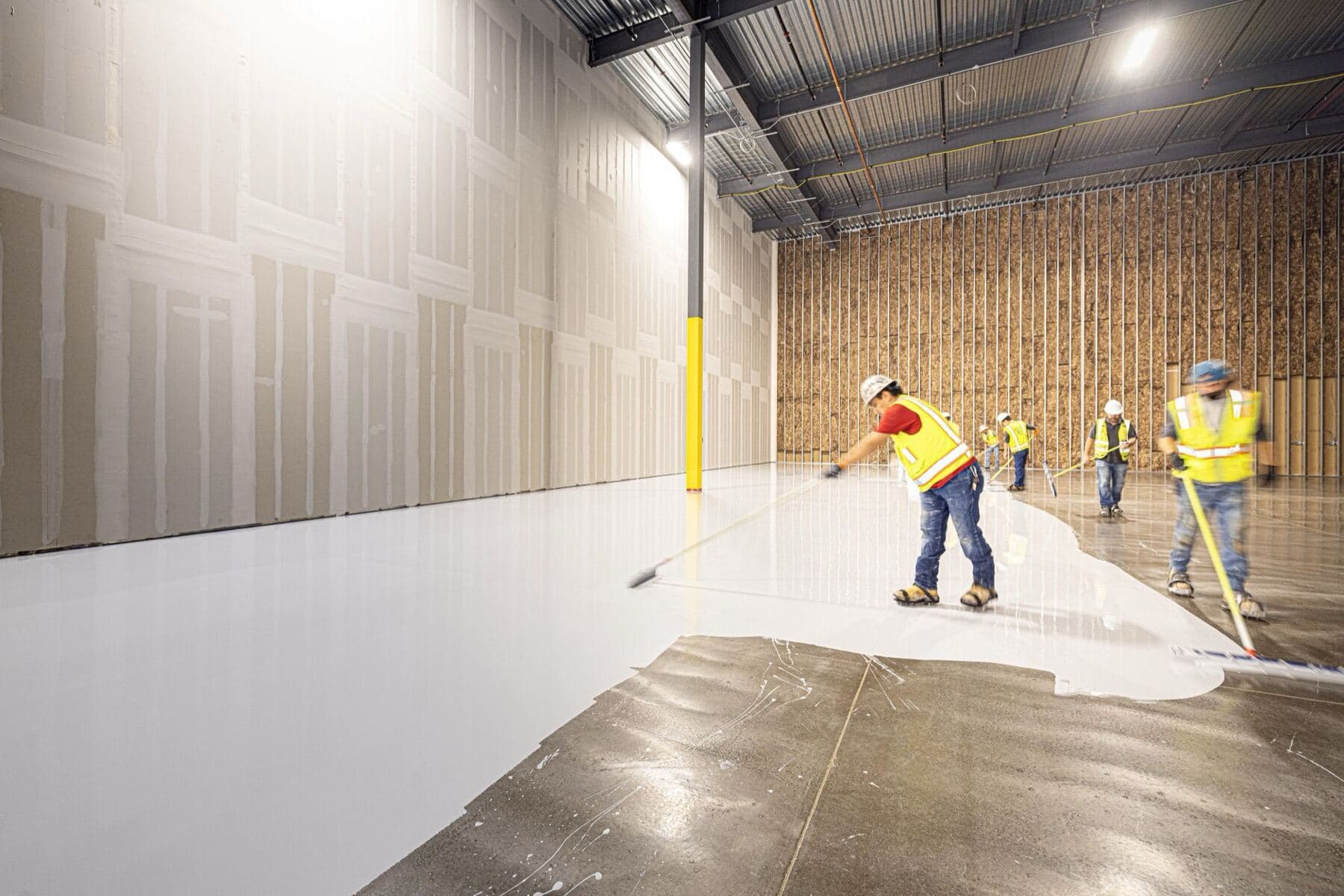
Protective coatings in Sidney BC: what the marine air changes
Four coating systems, one shared limit on the Saanich Peninsula. What the climate normals for the station next to Sidney say about when work can start, what sea salt does to a slab before and after the coating, and sourced market ranges.
7 minute read
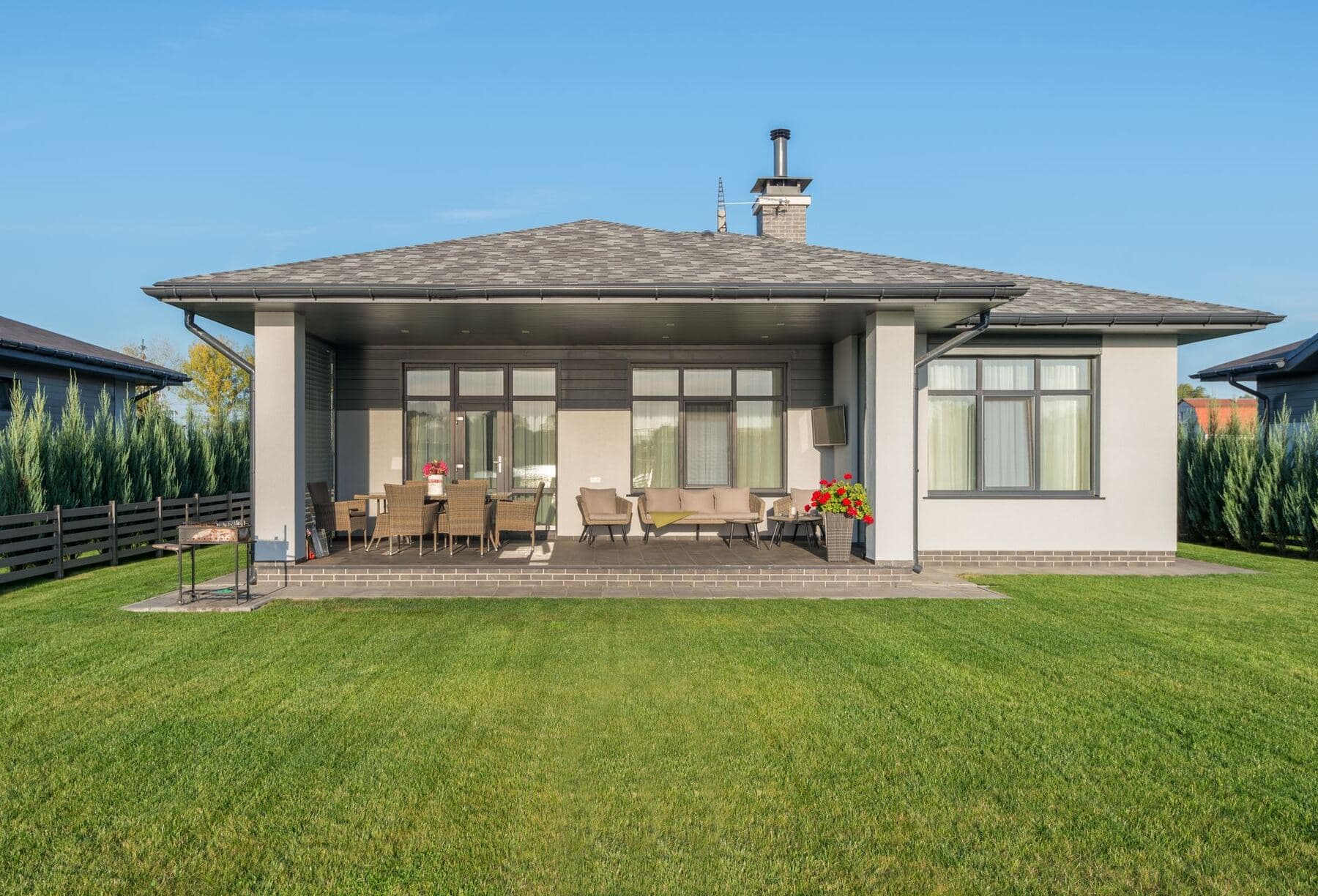
Concrete patio repair and resurfacing: what your slab can take
Repair first, overlay second. The data-sheet limits on thickness, temperature and placement size, why the manufacturer will not promise a crack stays hidden, and sourced market ranges for a patio in Greater Victoria.
7 minute read
The best time of year to sealcoat in Victoria
Sealer needs a dry surface and a dry window on both sides. What that means for booking work on the wettest coast in Canada.
4 minute read
Rather just have it looked at
We come out, measure, take a moisture reading and put the estimate in writing.